Introduction: A Clear Light, A Small Glitch, A Big Question
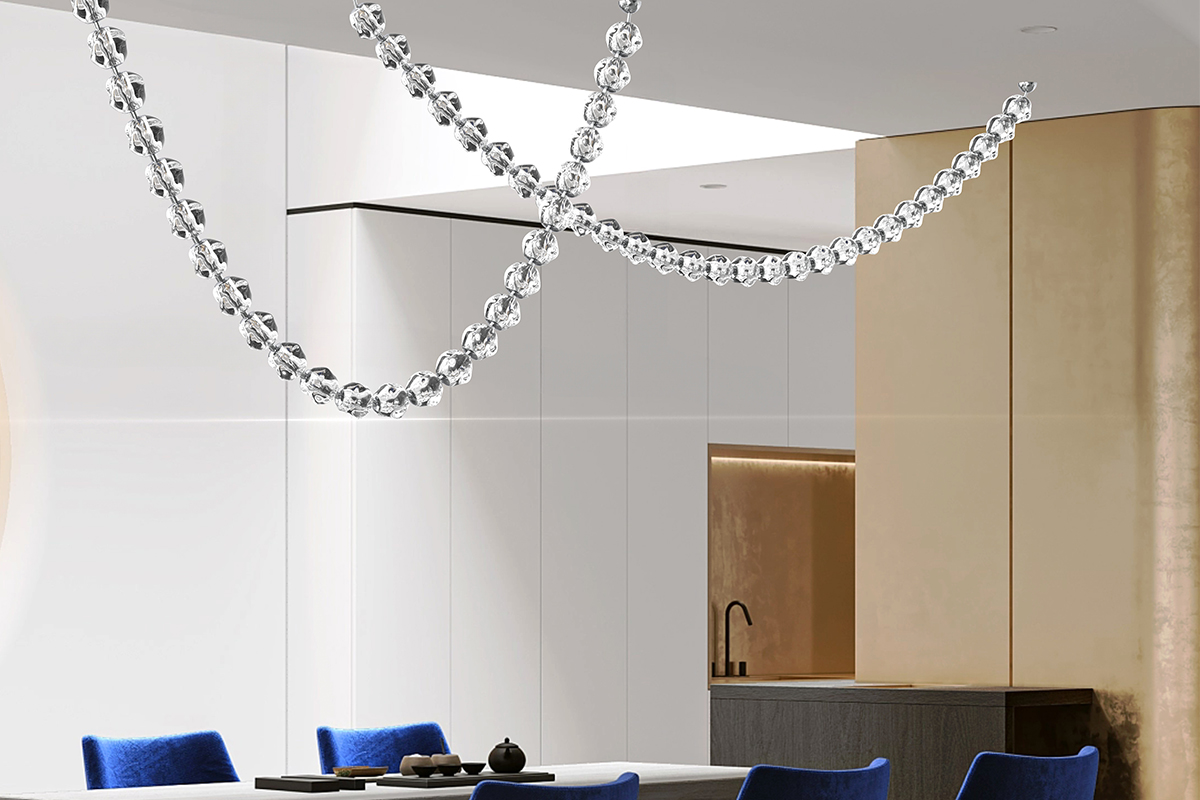
You expect a calm glow above the table, not a tech headache. In many projects, nan pops up the moment a dimmer misreports a value and the scene does not load. Picture a busy evening: you set dinner, guests arrive, and your 12 light pendant chandelier flickers at 20% instead of a warm 60%. Typical dining areas need around 200–300 lux; your space falls short. Why? A mismatch between control logic and fixture design, often masked by pretty glass. The numbers matter here: lumen output, CCT, and CRI shape how the room feels (and functions). Yet many homes still rely on trial-and-error dimmers and guesswork placement—no wonder scenes feel off. This is a comparative story at heart, but it starts with one quiet fact: the weakest link is rarely the shade, it’s the system behind it. Look at the wiring path, the drivers, the dimmer protocol. Then ask: what changes when we treat a pendant like a tiny system, not a single object? Let’s unpack the less obvious issues and then step into what’s next.
Hidden Friction: The Pain Points Behind a 12-Light Showpiece
Start with the drivers. An LED driver that dislikes your TRIAC dimmer will stutter at low levels. That stutter is not just a quirk; it’s wasted time and a broken mood. Power factor dips, heat creeps, and thermal management struggles inside a tight canopy. Look, it’s simpler than you think: the more heads you hang, the more important it is that each LED board and driver agrees on the same dimming curve. If they don’t, one arm pulses while another glows steady. People blame the bulbs. It’s the control chain.

Then there’s mass and mounting. Twelve pendants concentrated on one canopy add real load, which can amplify vibration and hum. Cable run length changes resistance; long runs shift low-end dimming and make 1% feel like 8%. You also get glare if shades sit high with no diffusion path. And when scenes misfire, users overcompensate by cranking brightness and washing out texture—funny how that works, right? These are not “style” problems. They are integration gaps: dimmer protocol (0–10V vs TRIAC), driver tolerance, and basic layout symmetry. Solve those, and the form finally serves the room.
Forward View: Smarter Principles for a Calmer Pendant
The next step replaces guesswork with rules. Constant-current drivers with wide dimming windows prevent low-end flicker. DALI‑2 or Bluetooth Mesh lets each arm report status and align to the same curve. Think of it as a simple control mesh rather than one big switch—each node agrees on level, ramp time, and color temperature. Add a soft-start profile and you avoid that sudden jump at scene recall. In short: match protocol to driver, driver to load, load to the room. If you’re going custom, a bespoke chandelier can ship with tuned drivers and pre-mapped scenes, so installation feels like plug-and-play rather than trial and error.
What’s Next
Expect fixtures to ship with self-check routines that spot NaN-level dimmer values before they reach the LEDs. Diagnostics can live in the canopy and sync via a simple app. The chandelier becomes a small system that speaks in real data, not vague flickers. Compare this to older setups: random dimmer swaps, uneven brightness, rising heat, and endless callbacks. The future path is lean: modular LED boards for service, a quiet driver with good power factor, and a control layer that guards against bad packets—saves time and keeps scenes stable. The outcome is less stress, fewer callouts, and a result that feels human. Soft. Predictable. And yes, more efficient—funny how that works, right?
Closing: How to Choose Without Guesswork
Here are three metrics that cut through the noise. First, dimmer compatibility: confirm TRIAC, 0–10V, or DALI‑2 and test low-end stability to 1–3%. Second, driver quality: check power factor ≥0.9 and thermal headroom inside the canopy. Third, visual comfort: aim for proper diffusion and a low glare feel, and verify CRI across scenes. Keep it calm and practical. If the system proves stable on paper and in a short on-site mockup, the full install will follow. When the technology fades into the background, the room gets its voice back. For reference and further reading, see kinglong.