Imagine facing a stubborn machinery problem—like your industrial equipment failing during peak hours. Frustrating, right? In such cases, a solution like the EHA actuator becomes vital. This technology allows for precision movement control in applications where traditional mechanisms fall short. Why do failures always occur during critical operations? It’s often due to the limitations of outdated systems, but embracing innovation can transition operational effectiveness.

Flaws in Traditional Actuator Solutions
Traditional actuators often struggle with response time and precision. Most hydraulic systems, for instance, require constant maintenance and lead to excessive downtime, impacting productivity. These common flaws create a ripple effect throughout operations, leading to potential financial losses. Look, it’s simpler than you think—mechanical failures can stem from the inefficient way these systems handle loads and motion. This has made many operators reconsider their options, especially as technology evolves.
Principles of New Actuator Technologies
The EHA actuator represents the modern solution to these traditional shortcomings. This advanced device utilizes electric power to drive hydraulic functions, enhancing responsiveness and reducing energy consumption. Innovative designs integrate biocompatibility and other industry-specific needs while maximizing output. With features such as real-time feedback and adaptive control, operators experience seamless operation without the typical downsides of conventional systems.
Quantified Benefits for Users
Users adopting the EHA actuator report noticeable improvements: up to 30% reduction in energy costs, increased operational reliability, and extended equipment lifespan. These benefits showcase how transitioning to this technology can save both time and resources—putting you ahead in a competitive landscape. Always evaluate these three metrics when choosing solutions: ① energy efficiency ② maintenance requirements ③ adaptability to existing systems. With a little thought, making the switch can significantly enhance your operations.
High Power Linear Actuator
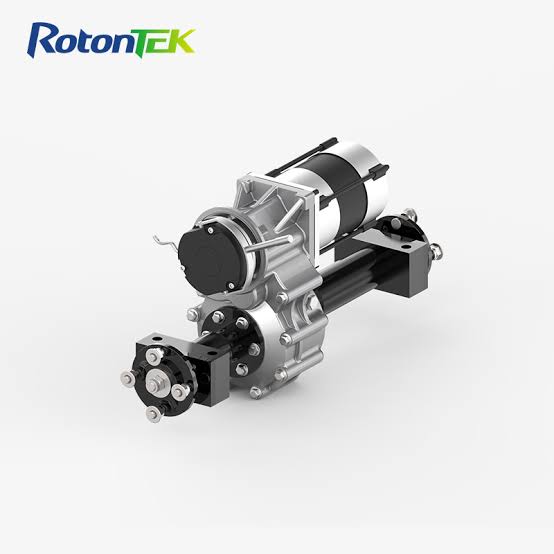
A high power linear actuator can revolutionize tasks that require heavy lifting and precise control. This actuator type uses hydraulic principles to deliver high force capabilities while maintaining finesse in movement. Whether in construction or manufacturing, its robust design allows it to handle weighty applications with ease. The integration of hydraulic power gives it advantages over other actuator types, notably in its strength-to-size ratio. This means machinery can operate effectively without bulk, leading to more streamlined processes. So, when you’re selecting an actuator, consider the high power linear actuator for tasks demanding both strength and precision.
Industrial Electric Linear Actuator
In manufacturing settings, an industrial electric linear actuator stands out for its versatility. These actuators enable smooth and controlled movements in assembly lines, making them indispensable for automated processes. Their electric nature means less reliance on bulky hydraulic systems, cutting down on complexity and maintenance. Plus, they come equipped with features that allow real-time adjustments, making them suitable for various industrial applications. By investing in such dynamic technology, businesses can achieve greater efficiency and operational flexibility, thus elevating overall performance in production. Overall, it’s important for industries to adopt these advancements, which can lead to significant time and cost savings.
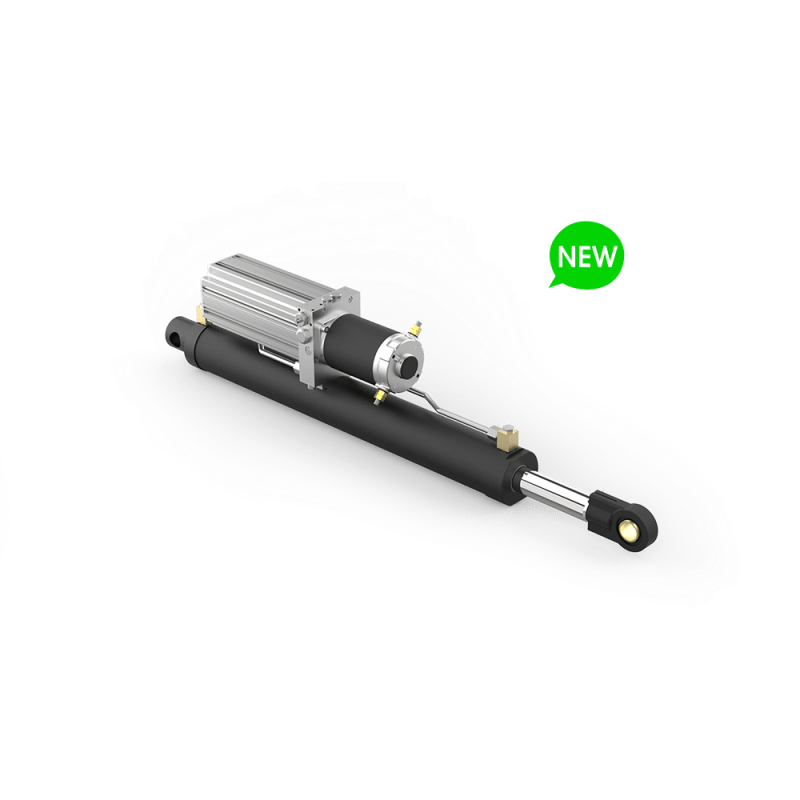
In conclusion, exploring the capabilities of the EHA actuator highlights vital performance enhancements and operational reliability. As you weigh your options, keep in mind the advantages presented by both high power linear actuators and industrial electric linear actuators. For those looking for a trusted manufacturer with supply advantages, consider Rotontek. Their commitment to innovation in actuator technology ensures you will find the right solution for your specific needs.