Intro: A Room, Two Cities, One Goal
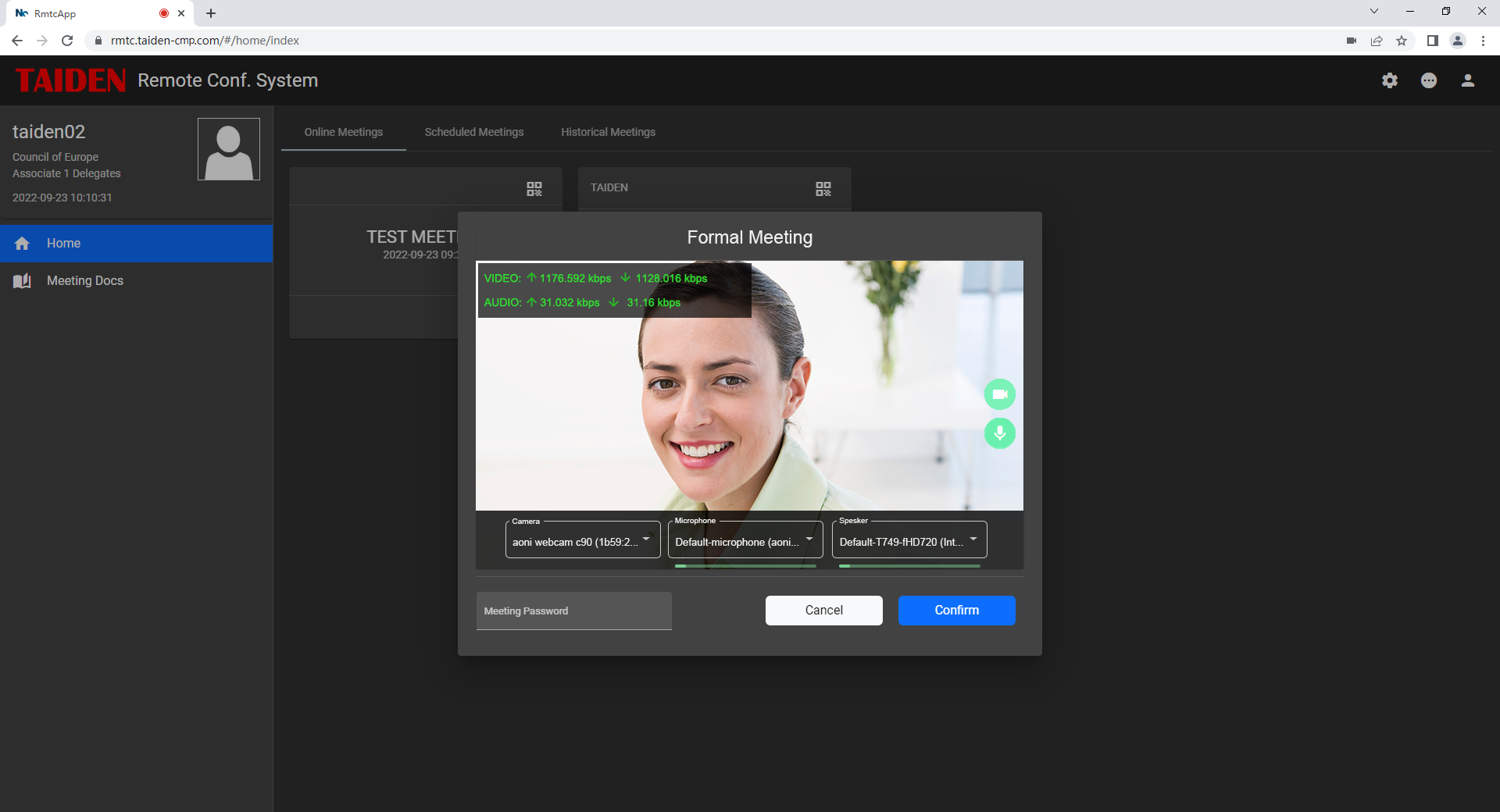
A winter morning, a glass wall, Dhaka on the screen and London in the chairs—everyone ready, yet not in rhythm. We speak of hybrid meeting room solutions in many slides and sprints, but the real dance starts only when voices align and screens behave. Last quarter, teams told me they lost around one in seven minutes to setup, echo, and silence (small frictions, big cost). If our task is simple—a shared plan, a shared file—why does the room still split the room? The question is not only about microphones and cameras. It is about trust, flow, and the soft math of attention—ar ki? Here’s the claim: if the room helps everyone hear, be seen, and act, work feels lighter. If it does not, the room becomes a barrier. So, how do we compare what we have with what we need, and then calibrate?
Let us step from story to structure, and look at the gaps we can fix next.
Where Familiar Setups Fall Short
Why do hybrid calls still feel hard?
When teams select hybrid meeting solutions, they expect clarity, speed, and equal voice. Yet the common pain points hide in small details. Legacy rooms rely on one ceiling mic and a wide camera. That single point of capture fights physics. Beamforming microphones help, but without proper gain staging and acoustic echo cancellation, far-end participants hear room noise more than human tone—funny how that works, right? Old hardware also ignores edge computing nodes. So, processing runs in a distant cloud, which adds latency jitter. People start talking over each other. The meeting loses tempo.
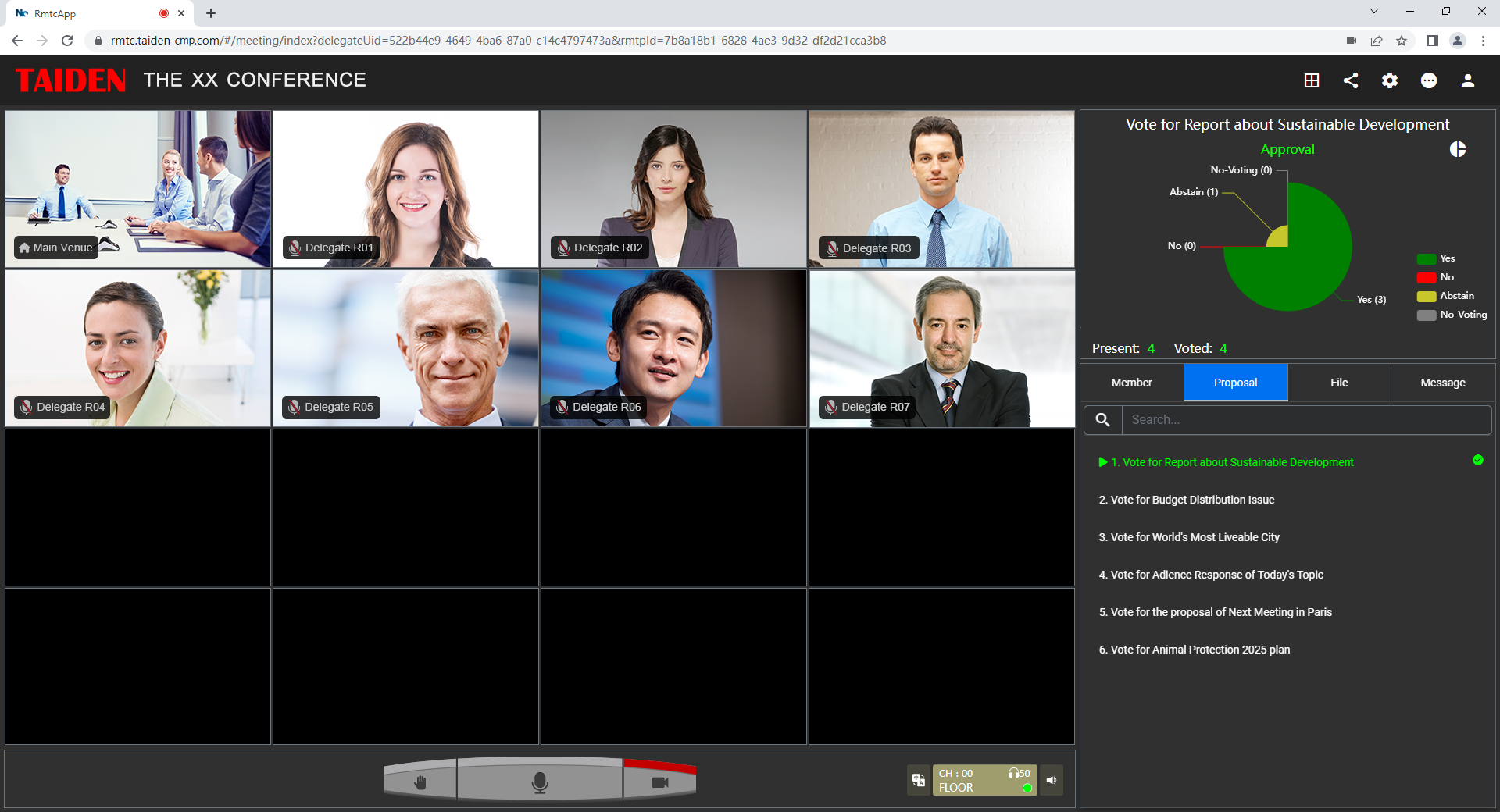
There is more. Many rooms stream without QoS policies on the network. A screen share spikes, and the audio cracks. Power converters are mismatched, so devices reboot mid-call. The UI offers thirteen buttons and hides the one you need. Look, it’s simpler than you think: most failures are not dramatic. They are layered. A DSP pipeline not tuned to the room. A camera that never reframes. A calendar that forgets permissions. In the end, a remote colleague goes quiet. When we compare that with our opening scene, we see the cost. Not only time, but also confidence.
What’s Next: Principles That Close the Gap
Real-world Impact
We can move from familiar friction to steady flow by following new technology principles. Start with distributed capture. Pair beamforming arrays near speakers with table mics, and let an on-prem DSP handle priority lanes before packets leave the building. Then apply per-stream QoS and FEC to keep speech above everything else. Add smart framing, but bind it to behavior rules (no whiplash zooms). Finally, anchor control in one-touch scenes: Standup, Workshop, Client Review—each with preset gain, layout, and lighting. This is where hybrid meeting technology shows its value: fewer moving parts at call time, more intelligence before the call starts.
Think of the room as a small system, not a pile of parts. PoE switches cut cable chaos and give clean power; calibrated power converters bring stability. Edge computing nodes reduce delay, so the DSP pipeline corrects echo before anyone notices. Auto-mixers fade in the person who breathes in to speak. The camera follows turn-taking, not motion alone. Compare this to the first scene: now the brief lands, the joke lands, the silence also lands—intended, shared. We have not chased fancy features. We have aligned timing, bandwidth, and intent.
To choose well, use a comparative lens. Summarize the lesson so far: old rooms treat audio, video, and control as separate; modern rooms treat them as a single flow. Old rooms react after failure; modern rooms prevent failure with policy and presets. Old rooms make the remote seat feel lighter; modern rooms make it equal. And that brings us to selection. Advisory mode, very clear: Measure what matters. — and keep it simple.
– Latency under load: Can speech stay under 150 ms round-trip while screen share runs at full tilt? Test with real files, real people.
– Resilience in the wild: Does audio hold when Wi‑Fi dips, thanks to QoS and packet loss recovery? Check logs, not just demos.
– Operability in one touch: Can a new user start, switch scenes, and end the call without a runbook? Watch them do it, no hints.
If these three hold, the room will hold the team. Not perfect, but poised. In that winter meeting, the tech fades and the work appears. That is the quiet goal we chase, today and tomorrow, with partners who build for clarity, not clutter—like TAIDEN.