Introduction — a small shop, a big smell, and a question
I was hanging about in a mate’s workshop the other day, watching him fret over a new marking job when the room filled with that sharp, metallic tang. It gets you thinking fast — especially when the job runs for hours and the team starts coughing. In many shops the simple fix is to bolt on a laser marking fume extractor, but does that actually solve the deeper problem? (Sweet as — we all want clean air and no downtime.)
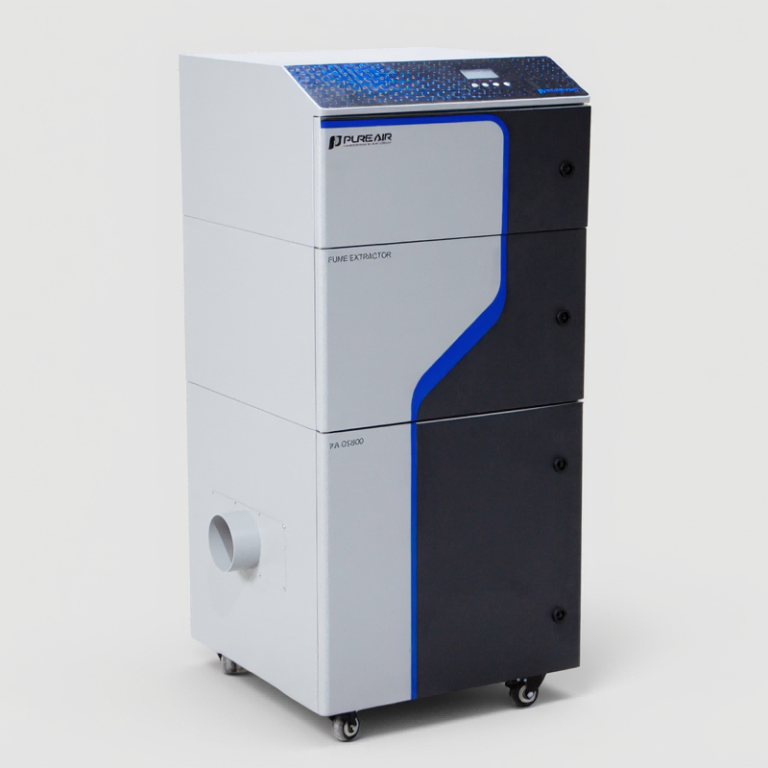
Here’s the kicker: studies show that poorly matched extraction systems can still fail to remove 50–70% of harmful VOCs and ultrafine particles in localised engraving zones. So I ask: are we buying gear or buying peace of mind? I’ve worked with small shops and production lines, and I’ve seen the cost of guessing — wasted consumables, surprise maintenance, and stressed staff. Where do we go from here? Let’s unpack what’s really at stake and what to watch for next.
Part 2 — Why common fixes fall short (technical breakdown)
laser marker fume extractor units are sold as quick fixes, but their specs often hide limits. I’ll be blunt: manufacturers list flow rates and filter grades, yet many systems underperform because of mismatched extraction ducting, poor capture velocity at the source, and filter media that saturates faster than expected. In plain terms — the hood might be in the wrong spot, the fan size wrong, or the HEPA filter clogged long before anyone notices. That’s when particulate matter sneaks past, and smell (and liability) stick around.
Technically, problems crop up across several components: a weak fan (low CFM), undersized extraction ducting, filter banks with insufficient activated carbon, and no real monitoring for VOCs. Look, it’s simpler than you think — without proper airflow design and easy maintenance access, even a decent system becomes a noisy paperweight. I’ve measured systems where nominal specs looked fine on paper, but in practice the capture zone had turbulent flow and recirculation. The result? Poor capture efficiency and higher operating costs. We need smarter matching: correct fan curves, HEPA filter ratings, and serviceability designed in from day one.
How bad can it get?
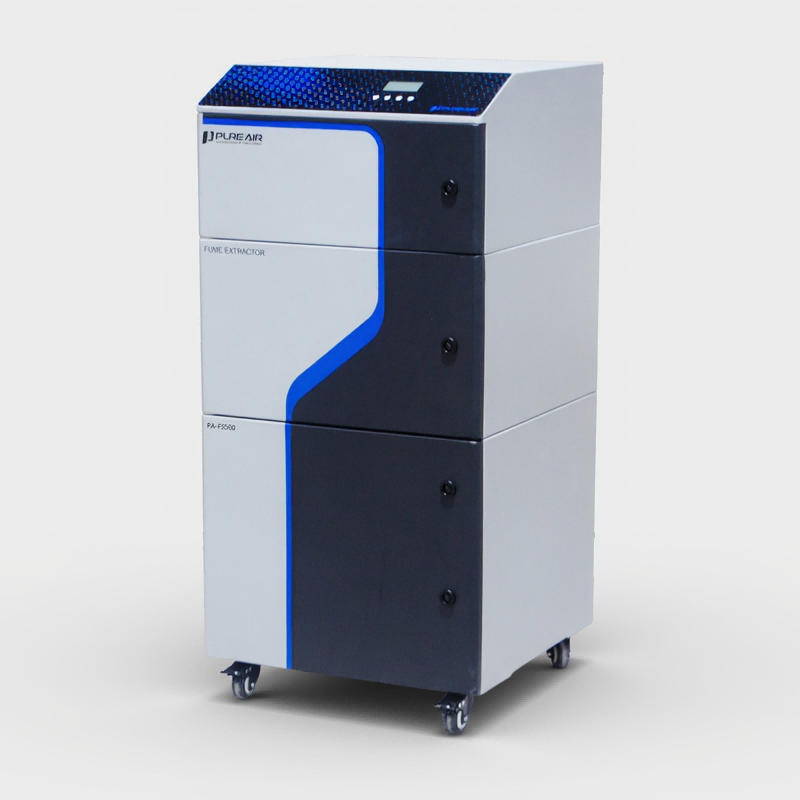
When ventilation fails, you don’t just get smell. You get shortened filter life, higher power draw from struggling power converters, and potential compliance headaches. I’ve seen teams swap filters every week — that’s painful on budget and morale. We should be asking: who’s monitoring the unit — and how easy is it to replace parts?
Part 3 — Comparative outlook and practical next steps
Looking ahead, I favour solutions that mix smart sensing with mechanical reliability. For example, pairing a targeted capture hood with VOC sensors and straightforward maintenance access beats brute-force flow every time. The modern approach isn’t just a bigger fan. It’s about matching capture velocity to the process, adding sensor-driven control (so the extractor ramps only when needed), and choosing the right media — HEPA for particulates and activated carbon for organics. That combination keeps running costs down and air quality up. I’ve helped teams switch to systems that log performance and alert staff before filters hit saturation — funny how that works, right?
Case in point: a mid-size fabrication shop I advised replaced an oversized central unit with smaller, modular local extractors at each station. We saved on ducting losses, reduced noise, and the whole crew noticed the difference within days. The units used simple CFM-rated fans, clear filter-change indicators, and compatible power converters — nothing flashy, just right. The lesson? Fit for purpose beats one-size-fits-all.
What’s Next — three quick metrics I use
If you’re sizing or comparing systems, here are three evaluation metrics I insist on: 1) capture velocity at the source (measured in m/s or corresponding CFM), 2) filter life expectancy with real load data (not ideal lab numbers), and 3) sensor feedback — does the unit report VOC or particulate counts so you can act before things go pear-shaped. Measure those, and you’ll spot weak designs fast.
In short, I want systems that are sensible, serviceable, and sensor-smart. We’re not buying a shiny box — we’re investing in cleaner air and fewer headaches. If you’re weighing options, keep those metrics front and centre. For real solutions and models built for laser work, check how laser marker fume extractor designs stack up — and remember: small changes in hood placement or filter media can change everything. I’ve seen it turn a problem shift into a steady, reliable process — and that’s worth its weight in saved hours and stress. For brands doing this well, I often recommend looking at the full system approach from PURE-AIR.