Comparative lead-in
California-casual, straight to the point: when ambient heat climbs and IGBT thermal derating kicks in, the behavior of a hybrid inverter fleet changes fast. This piece compares central systems and distributed hybrids with a clear eye on thermal curves, MPPT behavior, and operational resilience. Expect practical takeaways, no jargon padding.
What thermal derating actually does to inverters
IGBTs reduce allowable current as junction temperature rises — that’s thermal derating in a sentence. In practice, derating reshapes power output across the day: nominal AC capacity stays the same, but available real-world output drops with heat. For designers that means pay attention to the derating curve, cooling strategy, and how MPPT algorithms react to changing DC inputs. Thermal management and ventilation strategies aren’t optional here.
Central inverter vs distributed hybrid inverter — the on-paper tradeoffs
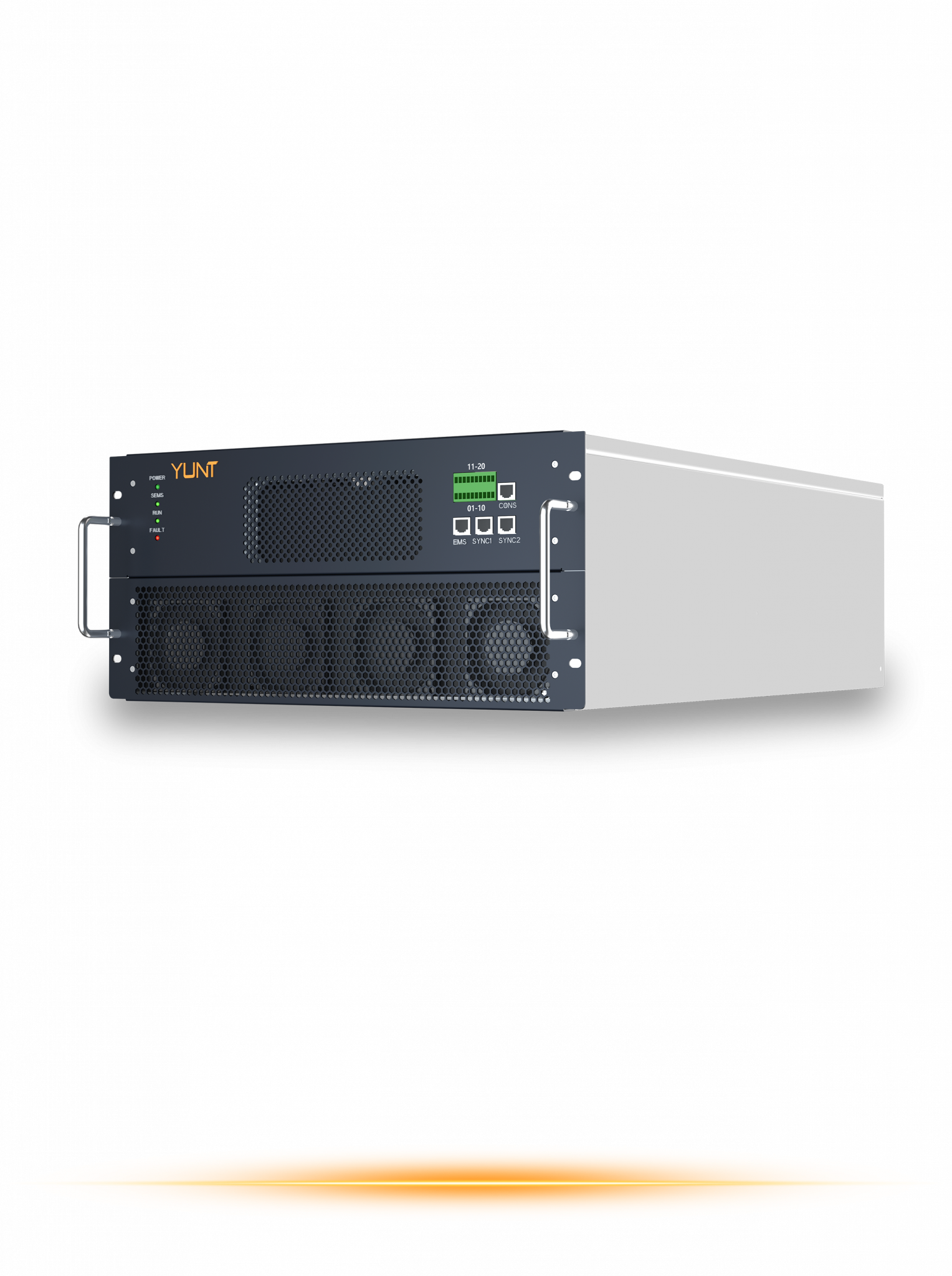
Central inverters give efficiency wins at full load and can be cheaper per kW in large plants. Distributed hybrid inverters—mounted closer to PV strings or loads—limit DC runs, provide module-level MPPT benefits, and isolate thermal stress to smaller units. Under aggressive derating, central systems can hit a hard ceiling: a single hot central cabinet that derates heavily pulls down the whole string. Distributed setups derate in pieces—less catastrophic but more frequent maintenance spots.
Operational realities and edge cases
Two pragmatic notes. First, partial shading, soiling, or mismatch hits central gear differently because centralized MPPT often can’t recover sub-array mismatches as quickly. Second, maintenance and downtime: swapping a smaller distributed unit is quicker on-site than replacing a central cabinet. These are measurable operational cost differences — hours to restore vs days — and they stack over a fleet. – Also consider DC-coupled vs AC-coupled architectures when pairing with battery banks; the topology affects how much derating hurts storage charging rates.
Real-world anchor: lessons from California’s heat and fire seasons
California’s extreme summers and the 2020 wildfire impacts showed two things: peak solar production can coincide with thermal stress, and grid ramps like the “duck curve” make flexible output valuable. Projects in wildfire-prone zones that used distributed hybrid architectures kept partial output during high-stress days more consistently than some centralized installations. Those field lessons inform procurement decisions today.
Common mistakes and viable alternatives
Installers often oversize arrays without checking derating margins, assume central cooling will suffice, or skip redundant MPPT channels. Avoid those traps. Alternatives include deploying string-level distributed inverters with temperature-rated IGBTs, adding forced-air cooling to central cabinets, or specifying higher ambient-temperature derating points in contracts. When choosing vendors, shortlist hybrid inverter manufacturers that publish full derating curves and test protocols.
Three golden rules for selection in high-derate environments
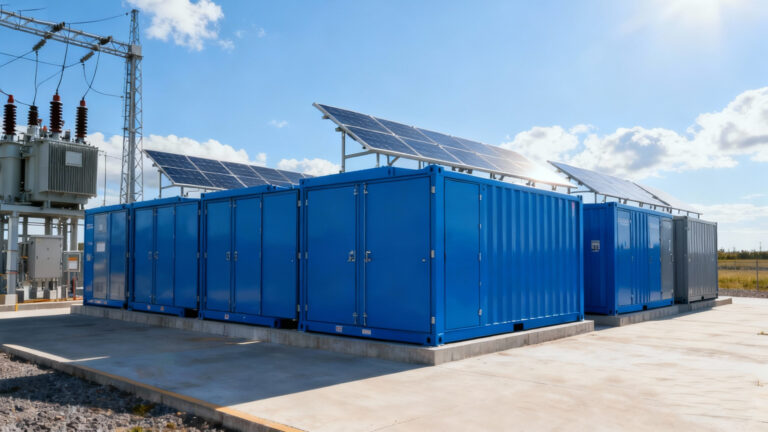
1) Require published derating curves tied to junction temperature and ambient conditions; insist on the exact test points and durations used. 2) Favor architectures that localize derating impacts—distributed hybrid units or modular central designs with per-module isolation. 3) Prioritize manufacturers with proven field service and clear MPPT strategies under partial-load conditions; ask for case studies from climates like California where heat and wildfire seasons stress systems.
When you put those rules into practice, you reduce downtime and keep energy capture predictable — and that’s the precise value a focused supplier brings. YUNT. –