Introduction — a short reckoning
Ever wondered why two clinics using the same kit can get such different results? In my work with advanced red light technology I keep bumping into the same handful of habits that make or break outcomes. Picture a small clinic on a Monday morning: the therapist checks the LED arrays, the patient expects relief, and the booking system shows a full day. Recent reports suggest outcome variance can be as high as 20–30% between devices and protocols, which is not peanuts when people pay good money (and time) for treatment. So where does the gap come from — operator choices, hardware quirks, or protocol mismatch?
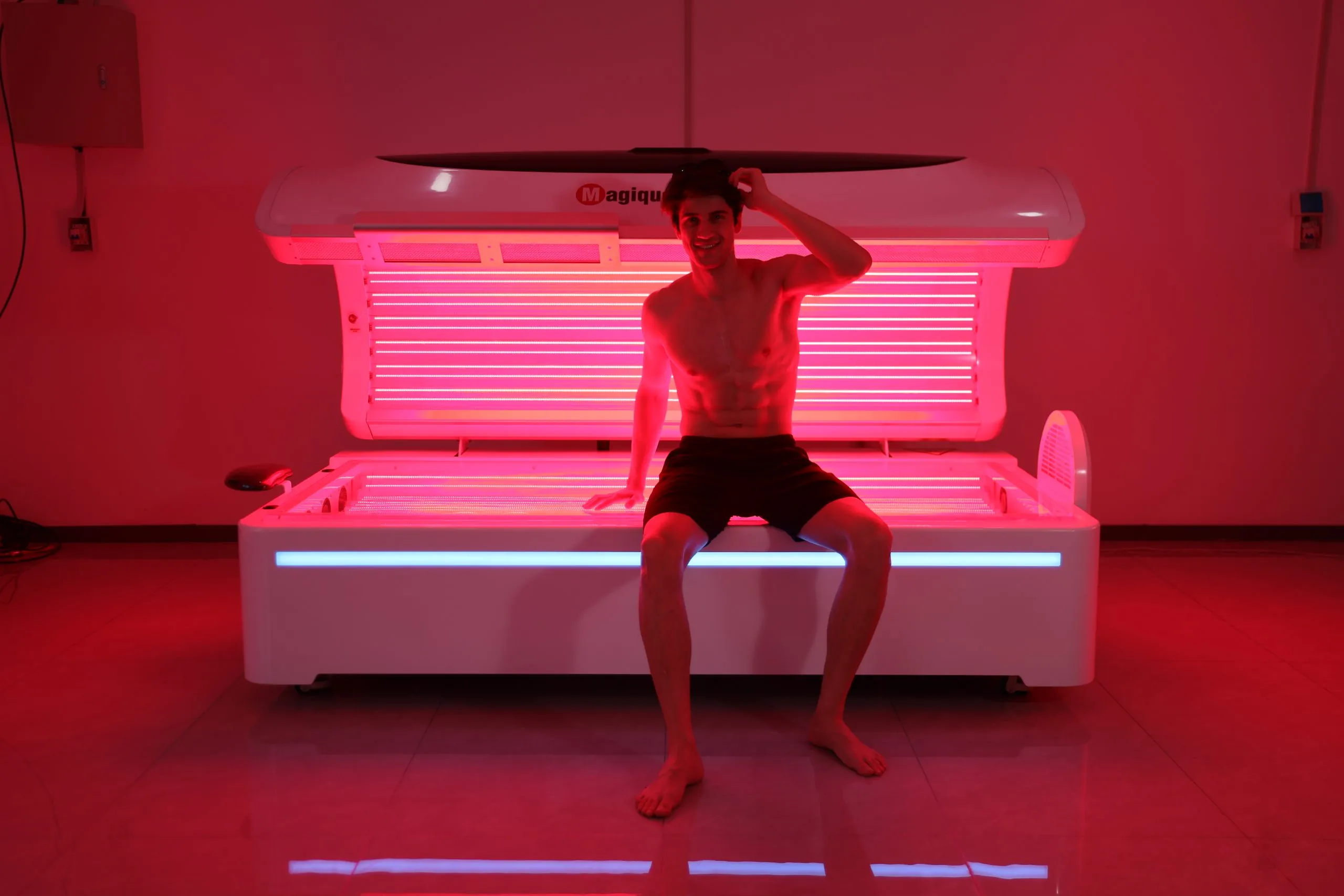
I’ll be frank: I’ve seen stellar setups ruined by tiny oversights. We know about photobiomodulation and wavelength specificity; we talk irradiance and session timing; yet too often teams assume “it’ll be fine” and move on. I reckon that mindset costs results and trust. This piece will compare how teams organise around technology, highlight the subtle failures that trip people up, and point toward practical checks you can run tomorrow — right enough, simple and useful. Let’s move on and dig deeper into the flaws I’ve actually seen in the field.
Part 2 — Where the usual fixes fall short
red light therapy technology is often sold as a straight swap-in: you buy the panel, follow a chart, and off you go. But that misses a lot. At its core, photobiomodulation depends on consistent irradiance, correct wavelength matching, and proper device calibration. Traditional solutions usually assume uniform output from LED arrays over time — yet LEDs drift, power converters age, and heat sinks degrade. When output shifts by even 10%, dose calculations go awry. I’ve checked devices that were within their warranty but delivering measurably lower irradiance. Look, it’s simpler than you think: you must measure, not assume.
So what fails first?
In practice, the common failure points are predictable. Teams skip routine irradiance mapping. They trust default protocols without logging environmental factors like room temperature or patient distance. Many systems lack basic edge computing nodes or telemetry to record real use — meaning no one spots gradual performance loss until a complaint arrives. Those are technical issues, but they’re also organisational faults: poor logging, weak SOPs, and over-reliance on vendor defaults. I’ll say it plainly — this is where training and QC meet hardware design, and often, they don’t.
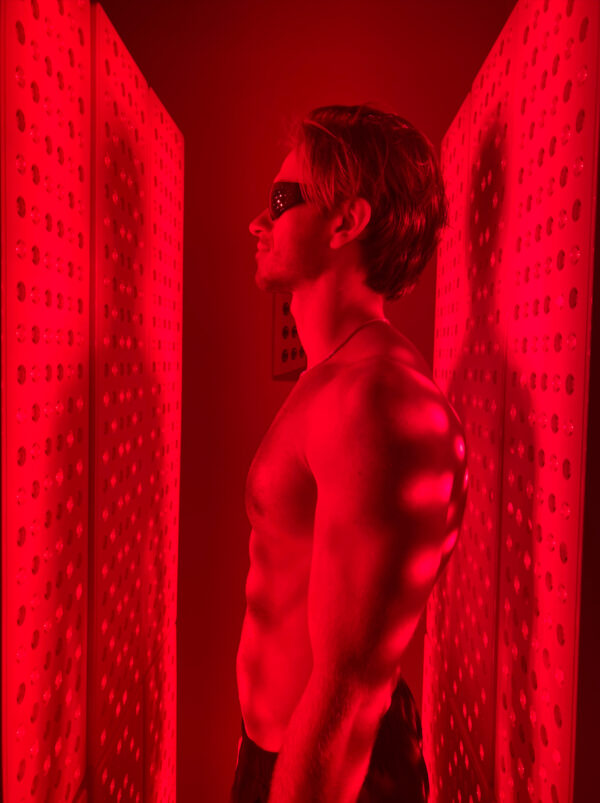
These flaws create hidden pain for users. Patients get inconsistent sessions. Clinicians lose faith. Clinics waste sessions and time. I’ve felt the frustration firsthand — and I’m convinced fixes are straightforward: regular irradiance checks, calibration schedules, better documentation, and simple telemetrics. — funny how that works, right? If we sort those basics, outcomes improve fast.
Part 3 — New principles for better systems
What’s next? I see three principles that should guide teams moving forward. First, embed measurement: every device should report output and session meta-data, so we can correlate performance with outcomes. Second, design around adaptability: wavelength specificity matters, but so does the ability to adjust dose in real time. Third, build feedback loops: use logs and simple analytics to surface drift before it affects patients. These are system-level ideas, not marketing lines; they rely on straightforward elements like calibrated sensors, modest edge computing nodes, and rugged power converters.
Real-world impact — how it changes care
Adopting those principles changes daily practice. Clinics can predict when a panel needs service. Therapists can tailor sessions with confidence. Patients notice consistency. We’ve trialled mild telemetry in a handful of clinics and saw staff confidence rise — and bookings stayed steadier. I don’t claim miracles, but practical gains were real: less downtime, fewer repeat sessions, clearer audit trails. — and that builds trust over time.
Before you choose a solution, I recommend evaluating three key metrics: 1) output stability (how well irradiance holds over time); 2) telemetry capability (does the device log and export session data?); 3) serviceability (are parts like power converters and heat sinks replaceable?). Use these to compare offerings. If you want a vendor that understands these needs, consider their QA practices and how they handle real-world drift. For more resources and equipment support, see Magique Power. I’ll keep digging into this — because consistent care matters, and we can do better together.