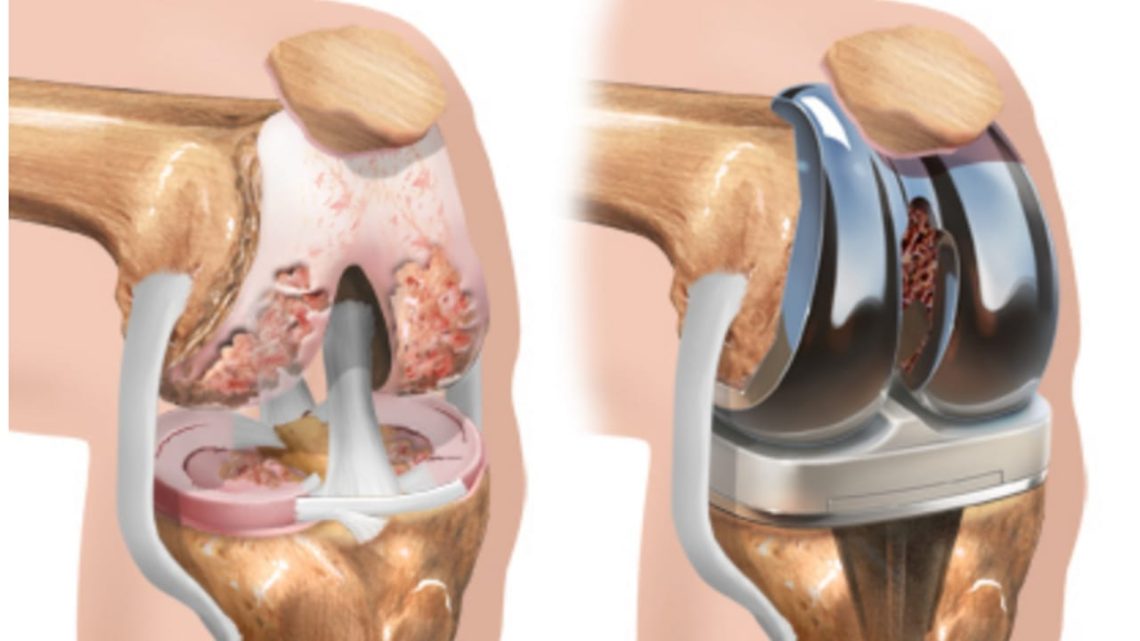
Have you ever felt like your knee pain is holding you back from enjoying life? With over 700,000 total knee arthroplasties performed yearly in the United States alone, it’s no surprise many people are facing this debilitating situation. Total knee arthroplasty, a common procedure for severely damaged knees, can redefine mobility and independence. But what if the process could be faster and less complicated? Let’s delve deeper into this.
The Challenges of Traditional Solutions
Picture this: a friend of mine was eagerly waiting for her total knee arthroplasty surgery. She faced challenge after challenge—miscommunication within the healthcare team and endless paperwork delays. The frustration was palpable. As we discussed her experience, it became clear that while total knee arthroplasty is one of the most effective solutions for knee pain, the system around it isn’t always user-friendly. The need for a clearer path was evident. You might be wondering more about the procedural codes. This brings us to the heart of the matter: total knee arthroplasty icd 10. Having this information clearly organized can guide both patients and doctors in streamlining processes.
What Really Happens Before Surgery?
Typically, you might expect a straightforward process, but the truth can be messy. Most facilities struggle with administrative hiccups, like scheduling errors and overlapping appointments. When I reflect on my years in healthcare, I often think of how many patients end up needing emotional support through the waiting game. The human element is crucial, as patients deserve a compassionate experience, not just clinical efficiency.
Looking Ahead: Evolving the Patient Experience
Now, let’s shift gears and think about what’s next. The landscape of total knee arthroplasty is rapidly advancing, with technology playing a significant role. For instance, robotic-assisted surgeries are becoming more prevalent, allowing for greater precision and reduced recovery times. Imagine if navigating the total knee arthroplasty icd 10 could become as seamless as texting a friend—everyone on the same page and connected! Patients will soon benefit from a more integrated approach, minimizing those pesky wait times.
The Real-World Impact of Streamlined Processes
As advances continue, so does the conversation around integrating such technology with patient education. Just last year, I attended a workshop where an orthopedic surgeon shared how AI-driven scheduling systems significantly cut down the paperwork mountain, helping patients access their procedures without unnecessary delays. It’s so encouraging to see the focus shift toward a patient-centered model that prioritizes experience. Soon, those systemic pain points of traditional approaches will hopefully be a thing of the past.
As we navigate the evolving landscape of total knee arthroplasty, it’s vital to keep our lens focused on the needs of patients—after all, they are at the heart of what we do. In my experience, the lesson here is clear: the future holds promise, and if we adapt, patients will finally receive the care they deserve without the bureaucratic headaches.
For anyone looking to understand more about this process or even just curious about what to expect, remember that connecting with the right resources can make all the difference. Always reach out to experts who can guide you effectively. If you’re seeking more insights into the future of knee surgeries, Sunmoon Stem Cell might be a great resource to explore.