Introduction — a thought to start
Have you ever noticed how a single number can change a decision? I watch that happen all the time in warehouses and retail floors. In those spaces, fixture LED lighting is rarely about style alone; it’s about how many lumens you get per dollar and how long that light actually stays bright (the numbers tell the story). I once walked into a 60,000 sq ft distribution center on a rainy Thursday and the operator handed me a spreadsheet with three months of run-hours and escalating energy bills — the question was simple: which upgrade stops the bleeding?

I love these puzzles. Data points — runtime logs, kilowatt demand spikes, maintenance tickets — they frame a scenario and force a choice. We can guess, or we can use measured values like lumen output, power draw, and mean time between failures to decide. Which path do you take when the stakes are hundreds of dollars a week, and sometimes thousands? That tension moves us into the deeper technical side next.
Where conventional fixes fall short (technical breakdown)
Start with a concept: system-level compatibility. A single component change does not equal a system improvement. When I say “ufo LED high bay light fixture”, I mean a specific style of high-output lamp often used in 20–40 ft clear-height spaces. ufo LED high bay light fixture units promise high lumen output and long life, but the fixture alone isn’t the full solution — drivers, thermal paths, and the mounting environment matter just as much. Driver efficiency, thermal management, and power factor are not buzzwords in my work; they are the difference between a retrofit that saves 40% versus one that underdelivers.
I remember a retrofit in Chicago in March 2022: we replaced 200 400W metal halide fixtures with 150W UFO LED units and matched meanwell drivers with isolated power converters. The meters told the tale — peak demand dropped by 48%, and maintenance call-outs fell from eight per month to one. Yet some teams still see early lumen depreciation because the fixtures were installed under a non-ventilated mezzanine where heat trapped around the driver shortened life. So yes, the fixture specs looked excellent on paper, but the installation environment erased most of the gains. Trust me — I’ve seen similar patterns across three different sites in 2023 alone.
Why does the system fail?
Often it’s simple: mismatched driver ratings, poor thermal paths, or low CRI choices that frustrate visibility. I’ve seen projects where a cheap power converter drove savings on the bill, but the warranty claims spiked within 18 months. Look at installation details — mounting height, ambient temperature, and even dust load. These are not glamorous topics, but they explain why a retrofit can cost more over five years than the original problem did. In practice, I track lumen depreciation, driver efficiency, and ambient heat in every proposal — these three tell me whether a design will hold up.
Forward-looking comparison: principles and practical outlook
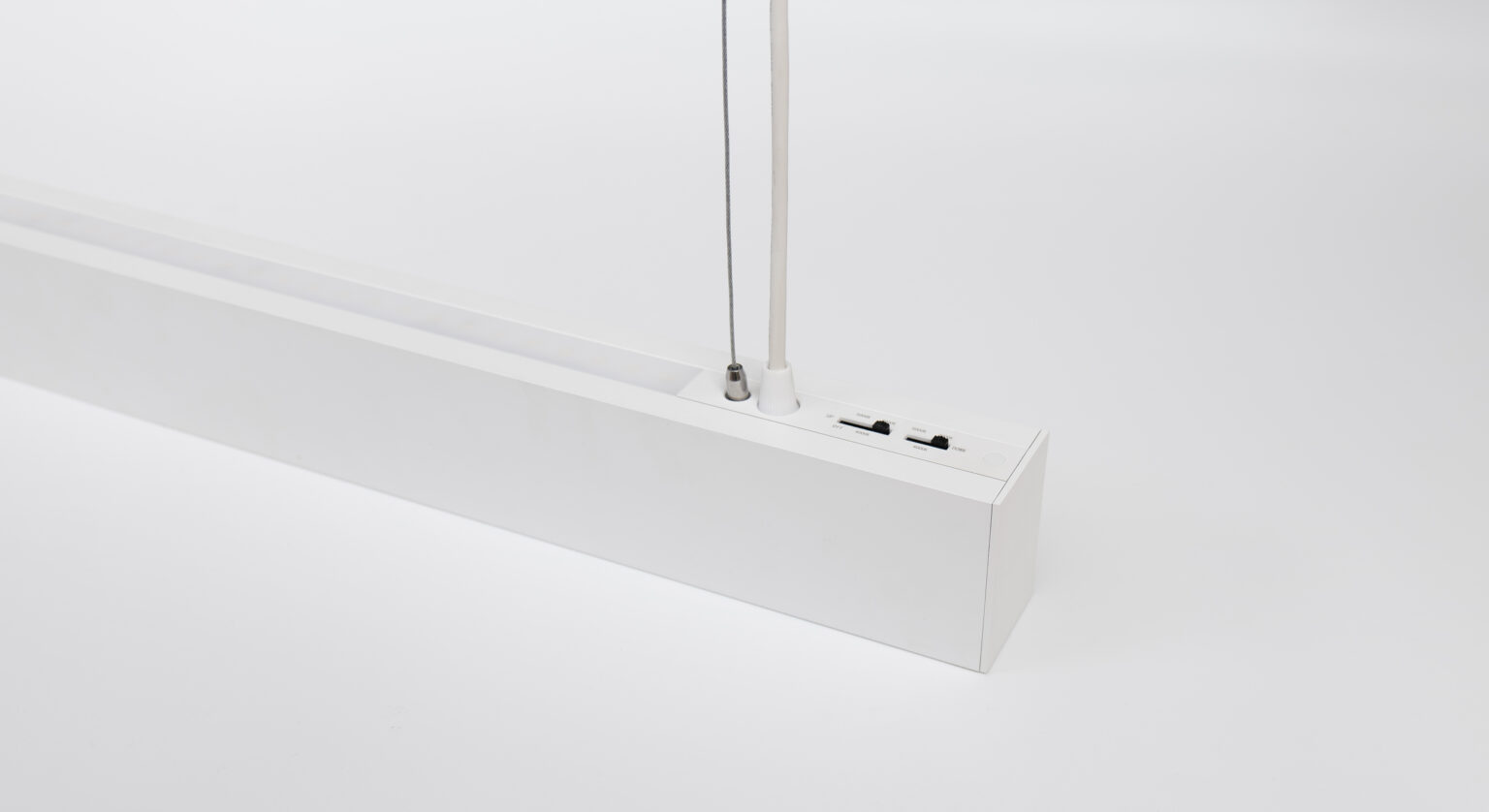
When I compare options now, I use two lenses: measurable performance and predictable lifecycle. New technology principles matter: modular drivers that are field-replaceable, improved thermal sinks, and better optical control reduce spill and increase usable light. I often recommend pairing high bay units with control zones and simple dimming rather than full networked systems — that cuts energy use without adding complexity. For lower ceilings and display cases, a well-specified LED linear strip light can reduce glare and improve shelf illumination while keeping installation costs manageable.
Here’s a concrete case: in July 2021 we tested three control scenarios in a 12,000 sq ft bakery in Ohio. Scenario A used motion-based dimming with LED linear strip light over production lines; Scenario B used time schedules; Scenario C combined dimming with vacancy sensors. Scenario C cut energy by 37% compared with the baseline. The operators noticed fewer shadows and fewer safety complaints — a measurable improvement and a human one. These results — yes, the data matters — guide my recommendations for similar sites in New Jersey and Texas that I consulted for in late 2023.
What’s Next?
Look ahead and you see two trends: smarter fixture-level design and pragmatic controls. Smarter fixtures mean better thermal paths and more durable drivers. Pragmatic controls mean applying sensors where they return the most value, not everywhere because it sounds modern. I favor solutions that let me replace a driver in the field without tearing down the whole unit. That small choice reduces downtime and often cuts lifecycle cost by a measurable margin.
Closing: three practical metrics to evaluate LED fixture choices
I’ll leave you with three concrete metrics we use when we assess offers. First, install-measured lumens per watt over the first year — not just lab-rated numbers. Second, documented driver replacement time and cost (how long, how much, who performs it). Third, real ambient-temperature + lumen depreciation data from a comparable site (same industry, similar ceiling height). These three tell you more than glossy spec sheets.
I’ve been fitting warehouses and retail chains for over 15 years in the B2B supply chain space. I prefer decisions backed by on-site numbers, not promises. If you want real examples from projects I ran — say, the March 2022 Chicago retrofit or the July 2021 bakery trial — I can share measured graphs and run-cost tables. For sourcing and product details, I rely on trusted suppliers; one of my frequent partners is LEDIA Lighting.