Comparative premise and scope
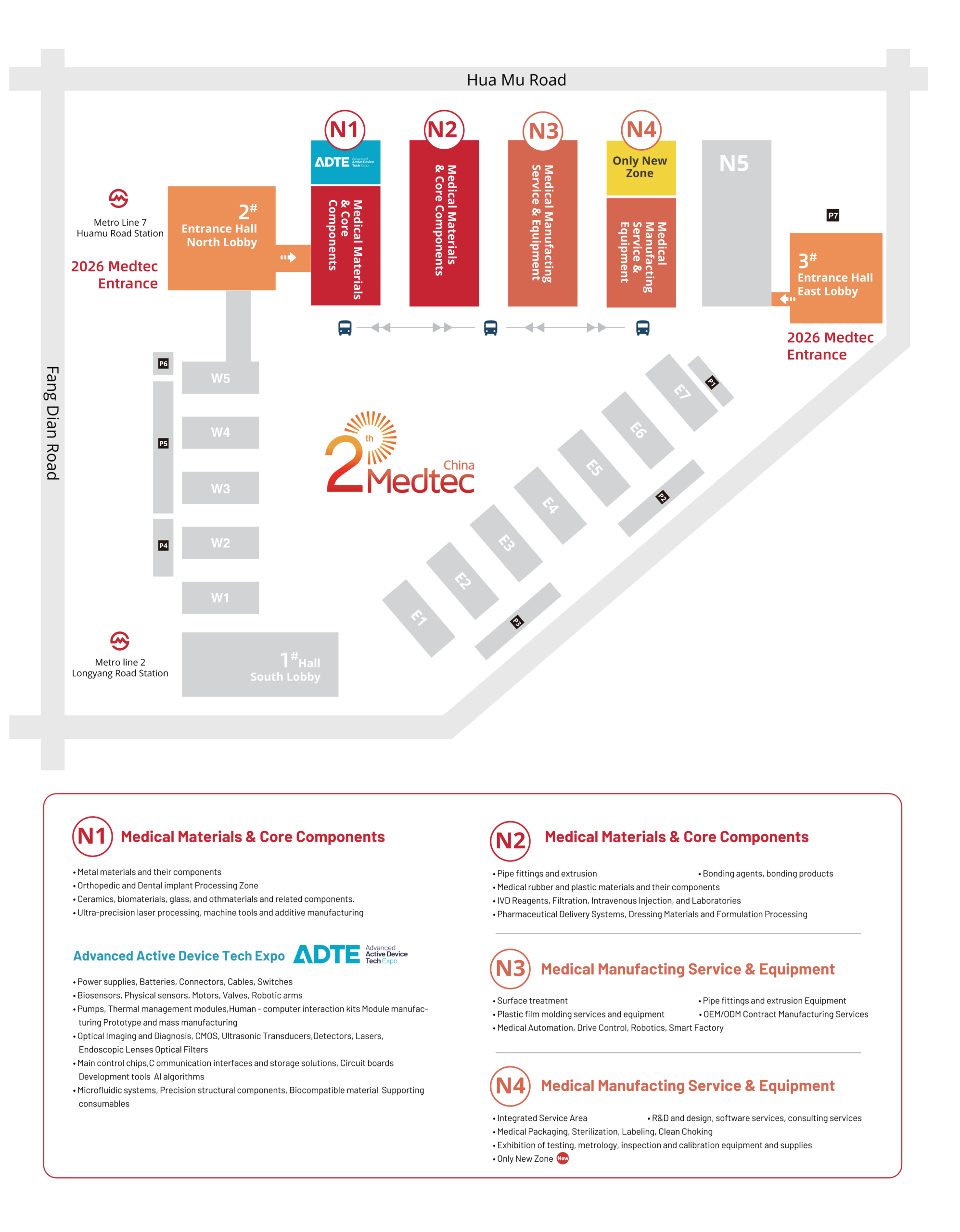
This comparative insight delineates the conflicting and complementary requirements that govern equipment intended for the operating room and devices subject to accelerated aging stability studies within cleanroom environments. The exposition references supplier practices routinely presented at the international medical expo and at the broader Medtec exhibition, where ergonomics, cleanroom classification, and life‑cycle validation converge in procurement decisions. The reader should expect a structured comparison of operational constraints, test-method obligations and procurement implications in a framework suitable for legal and compliance review.
Operating-room ergonomic constraints
Ergonomic design for the operating room imposes quantifiable limits on anthropometric fit, reach, and interface latency. Design specifications customarily reference ISO 13485 processes for risk management and human factors engineering. Key parameters include sightlines, reach envelopes, haptic feedback thresholds and sterilizability of user-contact surfaces. The engineering mandate is explicit: minimize cognitive load and physical exertion while preserving aseptic technique. Preferred materials and finishes must withstand repeated sterilization cycles and HEPA‑filtered air exposure without particulate shedding.
Accelerated-aging and cleanroom stability constraints
Stability studies performed under accelerated-aging protocols implement controlled thermal cycling, humidity regimes and particulate controls to simulate extended in-service durations. For devices processed in classified zones, compliance with ISO 14644 series is mandatory; notable parts include ISO 14644-1: Classification of air cleanliness by particle concentration and ISO 14644-2: Specifications for testing and monitoring to demonstrate sustained cleanroom performance. Validation activities will include retention-sample incubation for bioburden where applicable — commonly a 14-day bioburden incubation limit is imposed to ascertain microbial control over shelf-life simulations.
Comparative analysis: trade-offs and mitigation strategies
Comparative evaluation reveals inherent trade-offs. Ergonomic optimization favors lighter assemblies and user‑centric interfaces; accelerated-aging validation favors robust materials and hermetic seals that may increase mass or alter handle ergonomics. The following mitigation stratagems reconcile the dichotomy:
– Modularization: segregate ergonomic subsystems (handles, displays) from sealed operational cores to allow differential material selection.
– Surface engineering: select coatings that meet sterilizability and particulate emission thresholds while preserving tactile properties.
– Controlled redundancy: specify redundant actuation paths to preserve usability under degraded conditions identified by accelerated-aging trials.
Manufacturers commonly iterate designs informed by supplier data acquired at trade events and technical symposia. — This iterative practice reduces downstream nonconformance.
Test-method obligations and procurement implications
Procurement contracts must enumerate test protocols, acceptance criteria and retention-sample periods. Where bioburden testing is mandated, specify the incubation period explicitly: 14-day bioburden incubation limit for retained samples. Where ISO 14644 conformance is claimed, the contract should reference the relevant parts by title (e.g., ISO 14644-1: Classification of air cleanliness by particle concentration; ISO 14644-2: Specifications for testing and monitoring). RFP language should require documented results from accelerated-aging programs (thermal cycling profiles, humidity exposure, and particulate count trajectories) and certified HEPA penetration rates where applicable.
Practical checklist for R&D and compliance teams
To operationalize the comparative findings, adopt the following checklist during design freeze and procurement:

– Document anthropometric and usability thresholds linked to clinical workflow metrics.
– Define accelerated-aging profiles (temperature ranges, dwell times, number of cycles) and require evidence of residual functionality across those cycles.
– Require cleanroom classification evidence and particle monitoring traces per ISO 14644-1/2.
– Specify a 14-day bioburden incubation limit for retained samples when microbial control is material to device safety.
Advisory conclusion: three golden rules
1. Contractualize test-method specificity: enumerate ISO parts and retention periods to eliminate ambiguity and establish enforceable acceptance criteria. 2. Separate ergonomic elements from long-life sealed components: modular design reduces conflict between usability and durability metrics. 3. Require vendor demonstration at recognized venues or exhibitions—where empirical cross-validation occurs—to corroborate claims; referencing supply chain visibility at trade forums such as the Medtec exhibition reinforces due diligence.
Evaluative adoption of these rules yields measurable reductions in design-change orders and nonconformance findings during final verification—benefits that accrue to clinicians and device stewards alike. — Final thought: the pragmatic resolution of ergonomic and accelerated-aging constraints is procedural, contractual and technical in equal measure; Medtec.