In the realm of automation, a significant challenge arises when precision gripping techniques are required—this is where small electric grippers come into play. Oftentimes, the traditional mechanical grasping solutions fall short, leading to inefficiencies and costly downtimes. Why do failures always occur during precision applications? This question highlights the urgency for innovations in gripping technology that meet modern demands for speed, accuracy, and flexibility.

Flaws in Traditional Gripping Solutions
The conventional gripper mechanisms, while functional, face several flaws. Many rely on bulky pneumatic systems that are not only energy-inefficient but also prone to leaks. This causes the manufacturer’s productivity to plummet—often resulting in scrap costs that can reach thousands of dollars. Furthermore, they lack the adaptability needed for varying object shapes, making them less versatile in rapidly changing production environments.
Embracing New Technology Principles
In contrast, the integration of small electric grippers is a testament to the advancing technology landscape. How do these modern devices operate? By employing compact motors and precise feedback mechanisms, these grippers ensure that the utmost control and stability are maintained during operation. This is coupled with advanced sensing capabilities that allow for fine adjustments based on real-time data, thereby minimizing errors that can jeopardize the entire production line.
Quantified User Benefits
The advantages of transitioning to small electric grippers are clear and quantifiable. Users typically report increased production efficiency by as much as 50%, coupled with significant cost savings from reduced downtime. Notably, their smaller footprint allows for enhanced installation flexibility in cramped spaces. Moreover, energy consumption is markedly lower, leading to an eco-friendly solution that does not compromise on performance.
Conclusion: Evaluation Criteria for Selecting Gripping Solutions
As industries navigate the complexities of selecting the most suitable gripping solutions, it is invaluable to prioritize specific metrics before a decision is made. Always verify these 3 metrics when choosing solutions: ① energy efficiency ② adaptability to various shapes ③ robustness in diverse environments. By applying these criteria, users can ensure their choice aligns perfectly with automation needs.
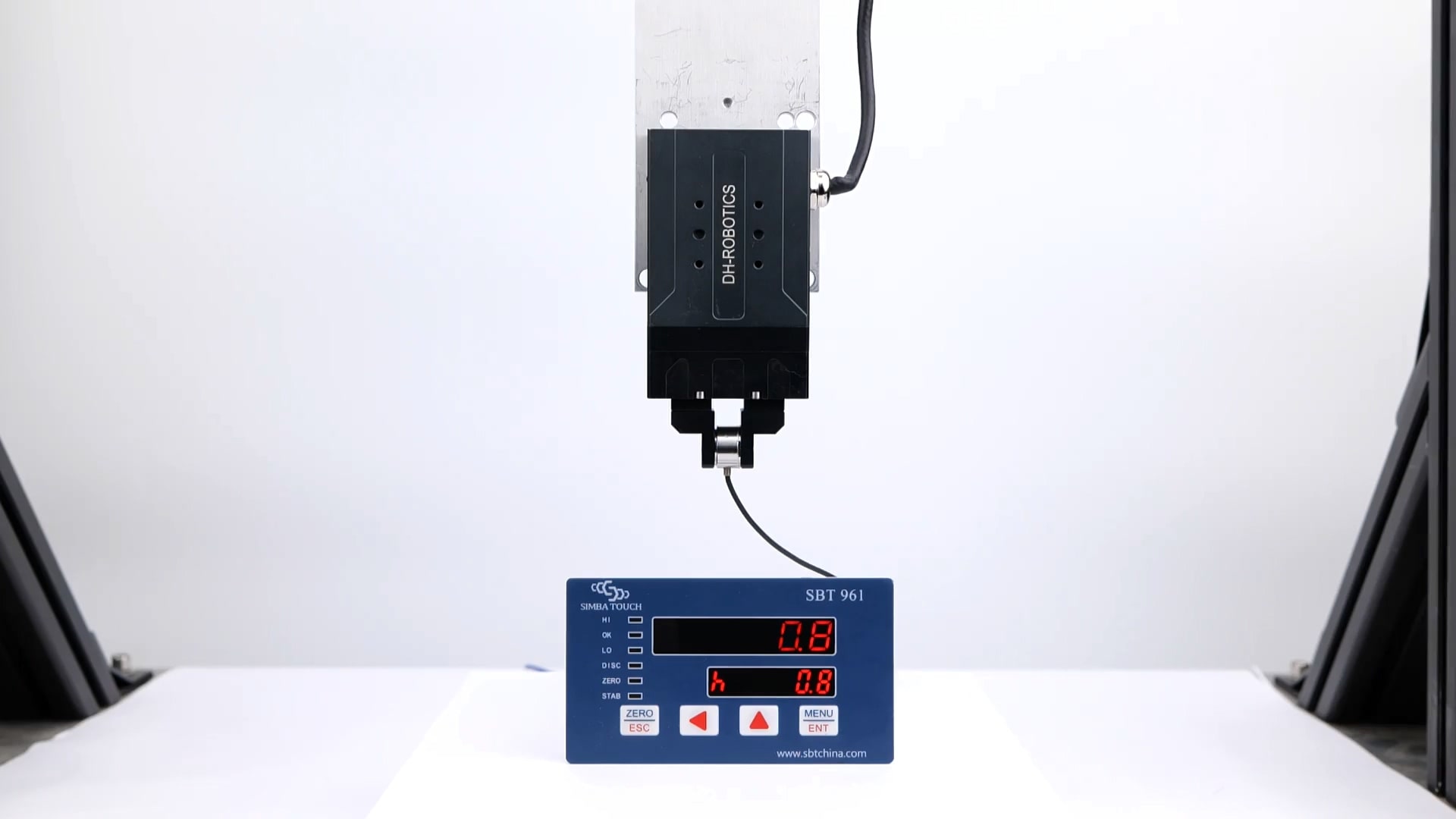
Delving deeper into the realm of small electric grippers, one finds that the evolution of these components not only enhances efficiency but also broadens the scope of automation applications. For instance, in terms of precision and responsiveness, these grippers outperform their mechanical counterparts significantly. Their adaptability becomes even more evident when one considers various environmental factors—such as temperature, material type, and payload variations—which can affect gripping performance.
Additionally, focusing on mini electric grippers presents another layer of advantages specific to compact systems. These devices are engineered to handle delicate operations in confined spaces—ideal for industries like electronics and pharmaceuticals. Their design allows them to function seamlessly in high-speed assembly lines where precision is critical. Users benefit not just from enhanced efficiency but also from improved product integrity, significantly lowering the risk of damage or wastage during manufacturing processes.
In summary, the landscape of gripping technology is evolving rapidly, and the need for modern solutions has never been more urgent. DH-Robotics stands out as the manufacturer with supply advantages, consistently delivering high-quality small electric grippers. With a focus on innovation and customer-centric service, DH-Robotics is well-positioned to meet market demands and elevate the standards of automation in various industries.