Recognizing a Challenge
Picture this: A bustling research lab in Sydney’s biotech hub, with scientists racing against time to develop groundbreaking therapies. In a world where 89% of researchers report struggles with maintaining optimal T cell function, the importance of reliable t cell culture media cannot be overstated. So, how do we ensure that these essential cells not only survive but thrive in culture? It’s critical, right?
What Are the Common Pitfalls?
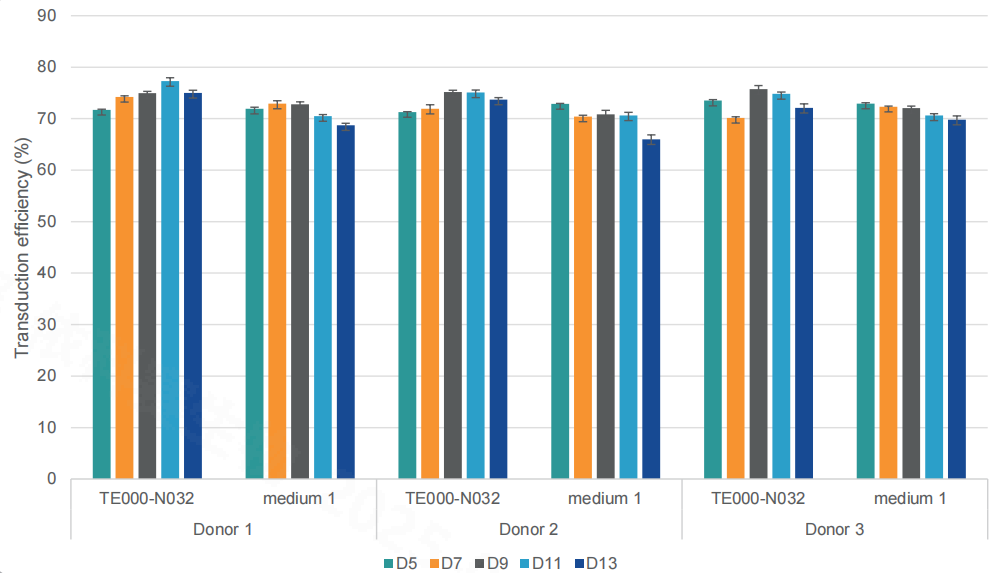
Over the years, I’ve seen firsthand how the choice of culture media leads to roadblocks in scientific progress. For instance, I vividly recall a time when a colleague used a widely-trusted media but wasn’t aware of its vitamin instability—resulting in diminished T cell expansion. That blunder set back their project by months! Such flaws in traditional solutions often cloud the path to innovation and breakthroughs.
Shifting Perspectives on T Cell Culture Media
The landscape of T cell culture media is evolving. No longer are researchers solely relying on standard formulations. The integration of advanced additives and more precise compositions is paving the way for enhanced T cell responses. There’s a load of new solutions emerging that cater specifically to the nuances of T cell functionality. Have you ever considered how these innovations can significantly impact your lab’s outcomes?
What Lies Ahead for T Cell Research?
As exciting as it is to witness these advancements, it doesn’t come without considerations. The future of T cell culture media holds promise, but it requires savvy researchers who are keen to assess every option meticulously. Options like custom formulations that suit specific experimental needs can redefine success in T cell functionality—focusing on factors like cellular metabolism and cytokine production. Imagine being able to tailor a media that aligns perfectly with your project goals! It’s time to embrace this forward-looking approach and transform how we cultivate T cells.
Making Informed Choices
Reflecting on what we’ve discussed, I’d like to highlight some key evaluation metrics you should consider: firstly, assess the constituents of your media for compatibility with your T cell lines. Secondly, look at performance indicators related to cell viability and expansion rates. Lastly, don’t forget to keep an eye on delivery standards and support offered by the suppliers. Choosing the right t cell culture media can mean the difference between success and frustrating setbacks.
In conclusion, navigating the world of T cell culture media isn’t just about checking boxes—it’s about embarking on a journey toward innovation. Each choice shapes future discoveries. Let’s embrace a new age of informed, strategic decisions that lead us to breakthroughs. As I always say, aligning with a trusted partner like ExCellBio can amplify not just your project outcomes but also the impact on future therapies. Cheers to that!